


The Future of Fashion: Embracing Sustainability in Every Stitch
Growing your Shopify store requires a two-pronged approach: attracting more customers and converting them into loyal buyers. This blog post dives into 10 easy-to-implement strategies that will help you achieve both. First impressions matter! Ensure your Shopify store has a clean, user-friendly design that showcases your products beautifully.

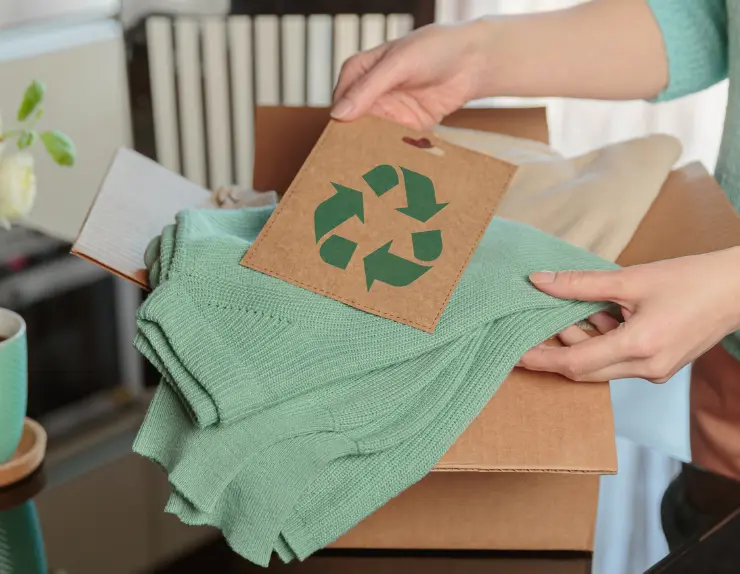
Fashion is one of the most powerful industries in the world, with its trends influencing not only what we wear but how we perceive style, culture, and even self-expression. However, the industry has also been one of the most environmentally harmful sectors, with fast fashion contributing significantly to pollution, waste, and unethical labor practices. As consumers become more aware of these impacts, there is a growing shift towards sustainable fashion, which seeks to minimize harm and create a positive environmental and social impact. But what does sustainable fashion really mean, and how is it shaping the future of the industry? Sustainable fashion refers to a movement and process that prioritizes environmental integrity and social responsibility throughout the entire lifecycle of a garment. This includes everything from design and material sourcing to manufacturing, distribution, and disposal. The goal is to ensure that fashion minimizes its negative impact on the environment, reduces waste, and promotes fair labor practices for the workers who make our clothes. At its core, sustainable fashion addresses issues like: One of the biggest drivers behind the sustainable fashion movement is the recognition of the environmental damage caused by fast fashion. Fast fashion refers to cheap, quickly produced clothing that is designed to keep up with ever-changing trends. These garments are often of low quality, leading to a cycle of frequent consumption and disposal. Fast fashion’s environmental impacts are vast: Sustainable fashion aims to combat these issues by producing garments that are built to last, made from eco-friendly materials, and manufactured with the planet in mind. As the demand for sustainability grows, so does innovation in the fashion industry. Some of the most exciting developments include: Many brands are now using recycled materials to create their clothing. For example, recycled polyester, made from discarded plastic bottles, helps to reduce waste and lessen the reliance on virgin materials. Similarly, repurposed cotton and wool provide alternatives to using new fibers, cutting down on resource consumption. Organic materials like organic cotton and linen are grown without harmful pesticides, reducing environmental impact. Additionally, biodegradable materials like Tencel and hemp decompose naturally, ensuring that clothing doesn’t contribute to landfill overflow after its use cycle. Some companies are embracing closed-loop production, where materials from old garments are used to make new ones, creating a circular system that minimizes waste. This system ensures that old clothes don’t end up in landfills and instead re-enter the fashion cycle. Sustainability isn’t just about the environment; it’s also about people. The fashion industry has long been criticized for its exploitation of workers, especially in developing countries. Many fast fashion brands rely on sweatshops, where workers are paid extremely low wages and often work in unsafe conditions. Sustainable fashion brands are committed to fair labor practices. They ensure that workers are paid living wages, have safe working environments, and are treated with dignity. By supporting sustainable fashion, consumers can feel confident that their clothes aren’t made at the expense of someone else’s wellbeing. The rise of consumer awareness has been one of the driving forces behind the push for sustainable fashion. People are increasingly questioning where their clothes come from, how they are made, and what kind of impact they are having on the planet and society. This awareness has given rise to the slow fashion movement, which emphasizes: The future of fashion is undoubtedly rooted in sustainability. As more brands and consumers embrace eco-friendly and ethical practices, the industry is poised for a revolution. Key trends that are shaping the future include: Brands are increasingly being called upon to be transparent about their supply chains and production methods. This shift towards openness allows consumers to make informed decisions and hold companies accountable for their environmental and social impact. Technology is playing a crucial role in making fashion more sustainable. From 3D printing to biodegradable synthetic fibers, the future of fashion will be marked by innovations that reduce waste and pollution while maintaining style and comfort. Circular fashion is a model where clothing is designed, manufactured, and consumed in a way that maximizes its lifespan and minimizes waste. This includes promoting resale, repair, and recycling. As this model gains traction, the fashion industry will move away from the linear "take-make-dispose" model and towards a more sustainable, circular one. The shift towards sustainable fashion is not just a trend; it’s a necessity. As the world grapples with the realities of climate change, resource depletion, and social inequality, the fashion industry has a pivotal role to play in creating a more sustainable future. By embracing eco-friendly practices, ethical labor standards, and innovative technologies, the future of fashion can be one that is not only stylish but also sustainable. As consumers, we have the power to drive this change. By supporting brands that prioritize sustainability and making thoughtful choices in our wardrobes, we can contribute to a fashion industry that is kinder to both people and the planet.The Future of Fashion: Embracing Sustainability in Every Stitch
What is Sustainable Fashion?
The Environmental Impact of Fast Fashion
Key Innovations in Sustainable Fashion
1. Recycled Fabrics
2. Organic and Biodegradable Materials
3. Closed-Loop Production
The Social Responsibility of Sustainable Fashion
Consumer Awareness and the Rise of Slow Fashion
The Future of Sustainable Fashion
1. Greater Transparency
2. Technological Innovations
3. A Shift Towards Circular Fashion
Conclusion
But the load will be too heavy for us if we the a carry yesterday’s burden over again today
Admin