


From Waste to Wear: How Recycled Materials Are Shaping Fashion
Growing your Shopify store requires a two-pronged approach: attracting more customers and converting them into loyal buyers. This blog post dives into 10 easy-to-implement strategies that will help you achieve both. First impressions matter! Ensure your Shopify store has a clean, user-friendly design that showcases your products beautifully.
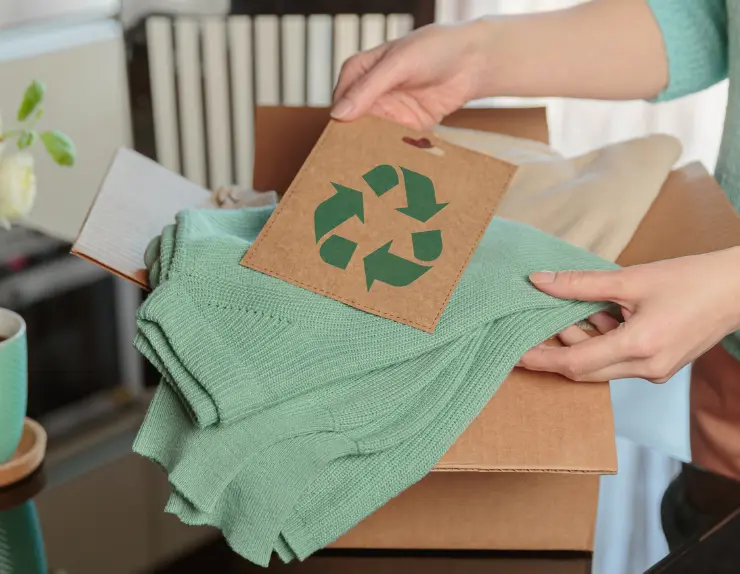
The fashion industry is undergoing a massive transformation globally, and India is no exception. As environmental concerns rise and consumers become more conscious of their impact on the planet, a shift towards sustainable fashion is gaining momentum. One of the most exciting developments in this space is the use of recycled materials to create new garments and accessories. Indian designers and brands are at the forefront of this change, using waste materials in innovative ways to redefine the future of fashion. Recycled fashion refers to clothing and accessories that are made from discarded or repurposed materials. These materials can come from a variety of sources, including plastic bottles, old textiles, and industrial waste. The goal is to reduce the environmental impact of the fashion industry by creating new products from existing waste rather than relying on virgin resources. In India, the concept of recycling is deeply rooted in the culture, from reusing old saris to creating quilts from leftover fabric scraps. Today, modern recycling techniques are being used to turn waste into high-quality, fashionable clothing that not only reduces pollution but also promotes a circular economy. The traditional fashion industry is one of the largest polluters in the world. From excessive water consumption to the release of harmful chemicals and the sheer volume of waste generated, the environmental impact is undeniable. India, with its vibrant textile industry, has long been a major player in global fashion, but this comes at a cost. Large amounts of textile waste are generated every year, and much of it ends up in landfills or is incinerated, releasing harmful gases into the atmosphere. To combat this, many Indian brands and designers are turning to recycled materials as a solution. By using waste as raw materials, they are reducing the need for virgin resources and lowering the environmental footprint of their production processes. Recycled fashion is more than just a trend; it’s a movement that’s gaining significant traction in India. Here are some ways recycled materials are transforming the Indian fashion landscape: One of the most common recycled materials used in fashion today is polyester made from recycled plastic bottles. In India, this material is becoming increasingly popular as brands seek to reduce their reliance on fossil fuels. Instead of using virgin polyester, which is derived from petroleum, recycled polyester is created by melting down plastic bottles and spinning the material into new fibers. This process not only diverts plastic waste from landfills and oceans but also uses significantly less energy than producing new polyester. Indian brands such as **Shewahh** are incorporating recycled polyester into their collections, offering stylish and sustainable alternatives to traditional fabrics. Upcycling is another sustainable practice that’s gaining popularity in India. Unlike recycling, which breaks down materials to create something new, upcycling involves repurposing existing materials without degrading their quality. Many Indian designers are using leftover fabric scraps, old clothing, and even vintage textiles to create unique, one-of-a-kind pieces. Upcycling not only reduces waste but also celebrates India’s rich heritage of handcraft and textile production. By giving new life to old materials, upcycled fashion tells a story of sustainability, creativity, and tradition. The concept of circular fashion is also making waves in India. In a circular fashion model, garments are designed to be reused, recycled, or biodegraded, ensuring that nothing goes to waste. Several Indian brands are embracing circularity by creating clothing that can be easily disassembled, recycled, or even composted at the end of its life cycle. Brands are also launching take-back programs, encouraging consumers to return their old clothing to be recycled into new items. These initiatives not only reduce waste but also promote a more sustainable way of consuming fashion. India is one of the world’s largest textile producers, but this comes with significant environmental challenges. The rise of fast fashion has led to an increase in textile waste, and with it, the depletion of natural resources and environmental degradation. By adopting recycled fashion, India can reduce its reliance on virgin materials, cut down on waste, and minimize pollution. Moreover, recycling materials for fashion helps to create a circular economy, where resources are reused rather than discarded. This not only benefits the environment but also opens up new opportunities for innovation and job creation in India’s fashion industry. Several Indian fashion brands are taking bold steps towards incorporating recycled materials into their collections. Some of the key players include: Shewahh is a pioneer in sustainable fashion, offering clothing made from recycled materials, including plastic bottles and upcycled textiles. Their commitment to ethical production and eco-friendly materials has made them a leading name in India’s sustainable fashion movement. Doodlage is known for its upcycled collections, using textile waste and discarded materials to create stylish and eco-conscious clothing. They focus on reducing the environmental impact of fashion by repurposing fabric scraps and minimizing waste in their production processes. No Nasties is another Indian brand that has embraced sustainability. They use organic and recycled materials in their collections and are committed to fair trade and ethical production practices. No Nasties is focused on reducing fashion’s environmental footprint and promoting a more ethical industry. The shift towards recycled fashion is just the beginning of a larger movement towards sustainability in India. With consumers becoming more aware of the environmental and social impacts of their fashion choices, the demand for eco-friendly alternatives is set to grow. As more brands embrace recycled materials and adopt sustainable practices, the future of Indian fashion looks bright. By turning waste into wear, India is not only addressing its environmental challenges but also positioning itself as a leader in sustainable fashion on the global stage. From waste to wear, the use of recycled materials in fashion is transforming the industry in India. By embracing sustainable practices, Indian brands are reducing waste, conserving resources, and leading the charge towards a more eco-friendly future. The shift towards recycled fashion is more than a trend—it’s a movement that is reshaping how we view clothing and the impact it has on our planet. As consumers, we have the power to support this movement by choosing brands that prioritize sustainability, like Shewahh, and by making more conscious fashion choices. Together, we can help create a fashion industry that is not only stylish but also kind to the environment.From Waste to Wear: How Recycled Materials Are Shaping Fashion in India
What Is Recycled Fashion?
The Environmental Impact of Traditional Fashion
How Recycled Materials Are Transforming Fashion in India
1. The Rise of Recycled Polyester
2. Upcycling Textiles
3. Circular Fashion Initiatives
Why Recycled Fashion Matters in India
Leading Indian Brands Embracing Recycled Fashion
1. Shewahh
2. Doodlage
3. No Nasties
The Road Ahead: A Sustainable Future for Indian Fashion
Conclusion: Fashioning a Greener Tomorrow
But the load will be too heavy for us if we the a carry yesterday’s burden over again today
Admin